← This is Romania

Culture & Heritage

Latin Soul at the Crossroads of Civilisations

Romania is Europe's best-kept secret: ancient forests, medieval citadels, Roman ruins, and a vibrant modern culture — all at the intersection of East and West.

7
UNESCO World Heritage Sites
2,000+
Years of continuous history
300+
Bird species in Danube Delta
3,000+
Brown bears (largest EU population)
Last
Inhabited medieval citadel in Europe
#1
Oldest wine region in the world (8,000 yrs)
Origins

The Latin Island of Eastern Europe

Romania is a linguistic and cultural island — a Romance-language nation surrounded by Slavic, Turkic, and Hungarian neighbors.

ROMA
Roman Origins · 106 AD

Roman Emperor Trajan conquered Dacia in 106 AD, establishing a province that would give birth to the Romanian people and language. Romanian evolved directly from Vulgar Latin — more similar to Latin than Italian, Spanish, or French.

Unique Position

Romania is the only Latin-rooted country in Eastern Europe — a cultural bridge between the Latin West and the Orthodox East.

Dacian Roots

Before Rome, the Dacians built one of the ancient world's most sophisticated civilisations. Dacian gold, arts, and military engineering are documented in Trajan's Column in Rome.

2,000+ Years of History
  1. 70,000 BC
    First human habitation (Peștera cu Oase — oldest human fossils in Europe)
  2. 700–500 BC
    Dacian kingdom emerges, linked to Greek and Scythian trade
  3. 106 AD
    Roman conquest — Dacia becomes Roman province
  4. 271 AD
    Roman withdrawal — Romanian language and culture persists
  5. 1000s–1600s
    Medieval principalities: Wallachia, Moldavia, Transylvania
  6. 1881
    United Romania established as Kingdom
  7. 1989
    Revolution — Romania transitions to democracy
  8. 2004/2007
    NATO and EU accession
  9. 2025
    Schengen and US Visa Waiver
UNESCO World Heritage

7 UNESCO World Heritage Sites

From the last great European wilderness to the last inhabited medieval citadel — Romania's UNESCO sites are extraordinary.

🏆7Sites
Danube Delta
Natural + Biosphere Reserve01/07
📍 Tulcea county, Black Sea coast

Danube Delta

The largest and best-preserved river delta in Europe — 2nd in the world. A maze of channels, lakes, and reed beds hosting 300+ bird species, 45 freshwater fish species, and 1,200+ plant species. Europe's last great wilderness.

Dacian Fortresses of the Orăștie Mountains
Cultural02/07
📍 Hunedoara county, Transylvania

Dacian Fortresses of the Orăștie Mountains

Pre-Roman Dacian civilisation rivalling contemporary European societies in sophistication

Villages with Fortified Churches in Transylvania
Cultural03/07
📍 Sibiu and Brașov counties

Villages with Fortified Churches in Transylvania

Viscri village was Prince Charles's favourite place in the world — he bought a house there and returned annually

Monastery of Horezu
Cultural04/07
📍 Vâlcea county

Monastery of Horezu

Romania's most perfect example of the indigenous Brâncoveanu architectural style

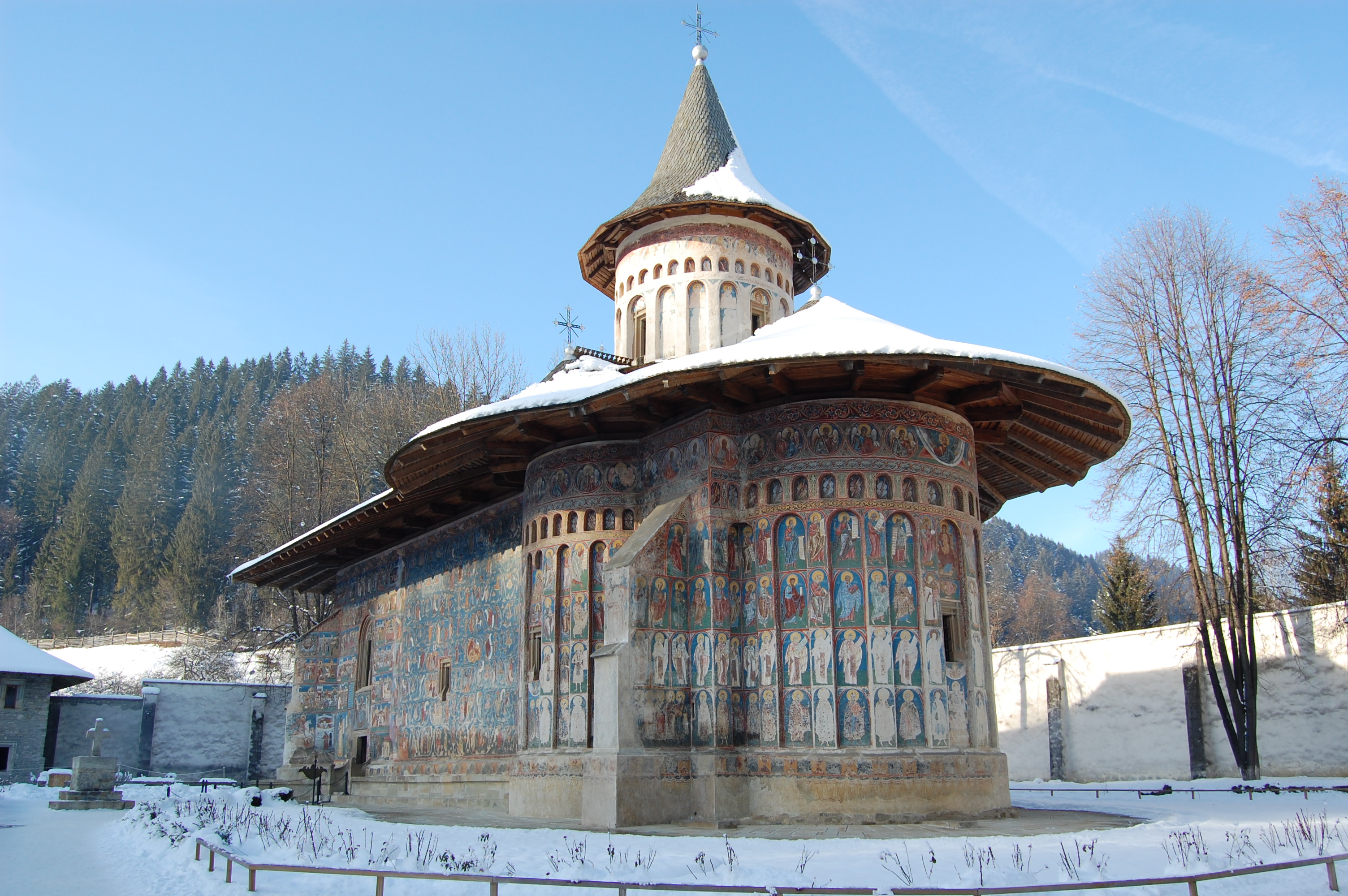
Painted Monasteries of Bucovina
Cultural05/07
📍 Suceava county, Moldova region

Painted Monasteries of Bucovina

The Voroneț Monastery is called the 'Sistine Chapel of the East' — its deep Voroneț Blue is a color found nowhere else in the world

Historic Centre of Sighișoara
Cultural06/07
📍 Mureș county, Transylvania

Historic Centre of Sighișoara

Birthplace of Vlad the Impaler (the historical Dracula). A living medieval city — not a museum.

Ancient and Primeval Beech Forests
Natural (shared with other EU countries)07/07
📍 Carpathian Mountains

Ancient and Primeval Beech Forests

Home to Europe's largest populations of brown bears, wolves, and lynx — co-existing with human communities

🦇 Transylvania

Transylvania: Beyond Dracula

The real Transylvania is medieval, multicultural, and magical — far richer than any Dracula story.

Transylvania has been the crossroads of Romanian, Hungarian, Saxon (German), and Roma cultures for centuries — producing an architectural and culinary richness unlike anywhere else in Europe.

🏰 Castles & Fortresses
01🏰

Bran Castle

"Known as 'Dracula's Castle'"

The historical Vlad the Impaler may have been imprisoned here briefly. The real castle is a beautiful 14th-century Gothic fortress.

02🏰

Peleș Castle

"Royal summer residence"

A stunning Neo-Renaissance castle built 1873–1914 for King Carol I — often called the most beautiful castle in the world

03🏰

Corvin Castle (Hunyadi Castle)

"One of Europe's largest Gothic castles"

Towering Gothic fortress (1446) with 50+ rooms, soaring towers, and a legendary history. Still perfectly preserved.

04🏰

Rasnov Fortress

"Mountain citadel"

14th-century peasant fortress on a cliff — served as refuge for entire communities during Ottoman invasions.

🏙️ Cities of Transylvania

Cluj-Napoca

Vibrant student city, top-ranked restaurants, Romania's tech capital, multicultural (Romanian-Hungarian)

Sibiu

European Capital of Culture 2007. Perfectly preserved medieval old town. Known for its distinctive 'eye windows' on rooftops.

Brașov

Ski resort + medieval old town + Hollywood-sign-style mountain letters. Gateway to Transylvanian Alps.

Sighișoara

Living medieval citadel. One of the most intact medieval towns in Europe. Birthplace of Vlad the Impaler.

Natural Wonders

Natural Wonders

The last great wild places of Europe — and they're all in Romania.

🐻
3,000+
Brown Bears
🐺
3,000+
Grey Wolves
🐱
1,000+
Eurasian Lynx
🦅
300+
Bird Species
🏔️

Carpathian Mountains

The Carpathians form an arc through the heart of Romania — the largest intact forest ecosystem in the EU. Home to Europe's last free-roaming populations of brown bears (3,000+), grey wolves (3,000+), and Eurasian lynx (1,000+).

  • Transfăgărășan Highway — named 'best road in the world' by Top Gear
  • Skiing in Poiana Brasov and Sinaia
  • Via Ferrata routes
  • Hiking trails through primary forest
  • European Bison reintroduction programme
🌊

Danube Delta

Europe's largest river delta and second-largest in the world. Where the Danube meets the Black Sea, creating a labyrinth of channels, lakes, and islands across 5,800 km².

  • 300+ bird species — pelicans, cormorants, herons
  • 45 freshwater fish species
  • Accessible only by boat — no roads
  • Floating reed islands
  • One of Europe's most important biodiversity hotspots
🏖️

Black Sea Coast

Over 240 km of coastline with some of Eastern Europe's most popular beach resorts. Ancient Greek ruins (Histria, Tomis/Constanța) sit alongside modern resorts.

  • Mamaia — vibrant beach resort
  • Vama Veche — bohemian, alternative culture
  • Histria — oldest city in Romania, 7th c. BC Greek colony
  • Constanța — ancient Roman city with 2,000-year-old mosaic
Living Traditions

Living Traditions

Romania has one of Europe's richest living folk cultures — traditions that have survived centuries and are still practiced today.

🗓️ Calendar Traditions
March 1

Mărțișor

Spring celebration — giving red-and-white amulets to loved ones. Ancient Dacian tradition.

Orthodox calendar

Paști (Easter)

Romania's most important holiday. Midnight church services, painted eggs, lamb dishes, family gatherings.

December 24–25

Colinde (Christmas caroling)

Children go door-to-door singing traditional carols in return for sweets and money — a 2,000-year-old tradition.

February 24

Dragobete

Romanian Valentine's Day — an ancient celebration of love predating Roman times.

🍽️ Iconic Dishes
01

Sarmale

Stuffed cabbage rolls in tomato sauce — Romania's national dish

02

Mămăligă

Polenta — the other national staple, eaten with cheese or sour cream

03

Mici

Grilled minced meat rolls — Romania's equivalent of the burger, eaten at every celebration

04

Cozonac

Sweet leavened bread with walnuts or poppy seeds — made at Easter and Christmas

05

Țuică/Pălincă

Romanian plum brandy — the traditional spirit, often homemade

🎨 Crafts & Folk Arts
Hand-painted Easter eggs (Bucovina) — world-famousIa (Romanian embroidered blouse) — source of global fashion inspirationTraditional pottery (Horezu, Marginea)Wool weaving and folk costumes (still worn in some villages)Wood carving tradition
🍷
8,000 Years

World's oldest wine region

Romania is one of the world's oldest wine regions — wine has been produced here for 8,000 years (older than France or Italy). Romania is the 13th largest wine producer globally. Key regions: Dealu Mare (Prahova), Cotnari (Iași), Murfatlar (Constanța).

🎼
Music & Voice

From doina to Enescu

Romanian folk music (doina — melancholic vocal style, hora — circle dance) has influenced global music. George Enescu (1881–1955), Romania's greatest composer, is celebrated worldwide. The 'Romanian Rhapsodies' are performed in concert halls globally.